

John J. Gredler Works of Art
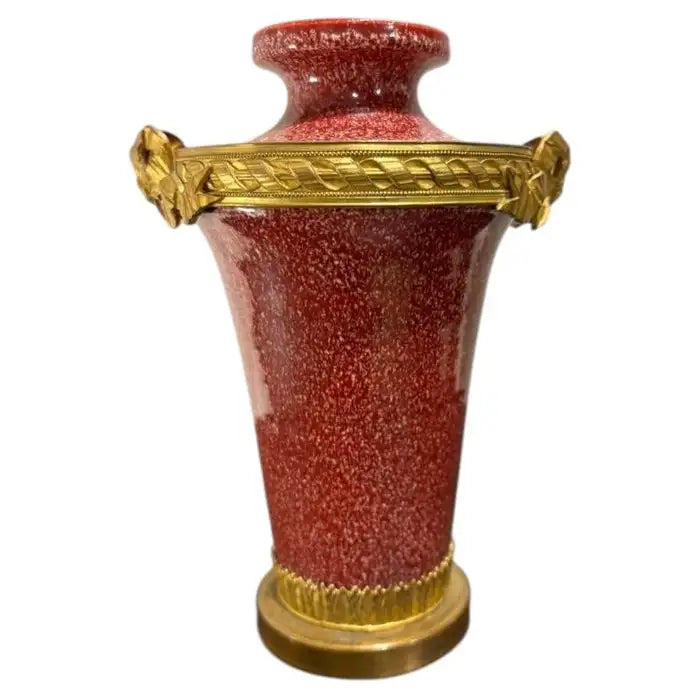
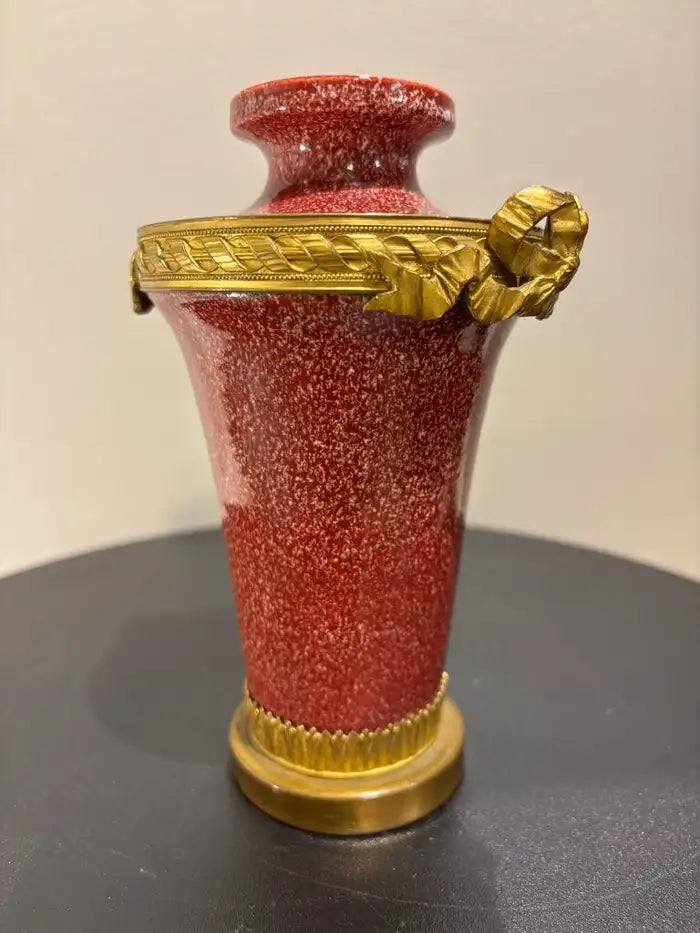
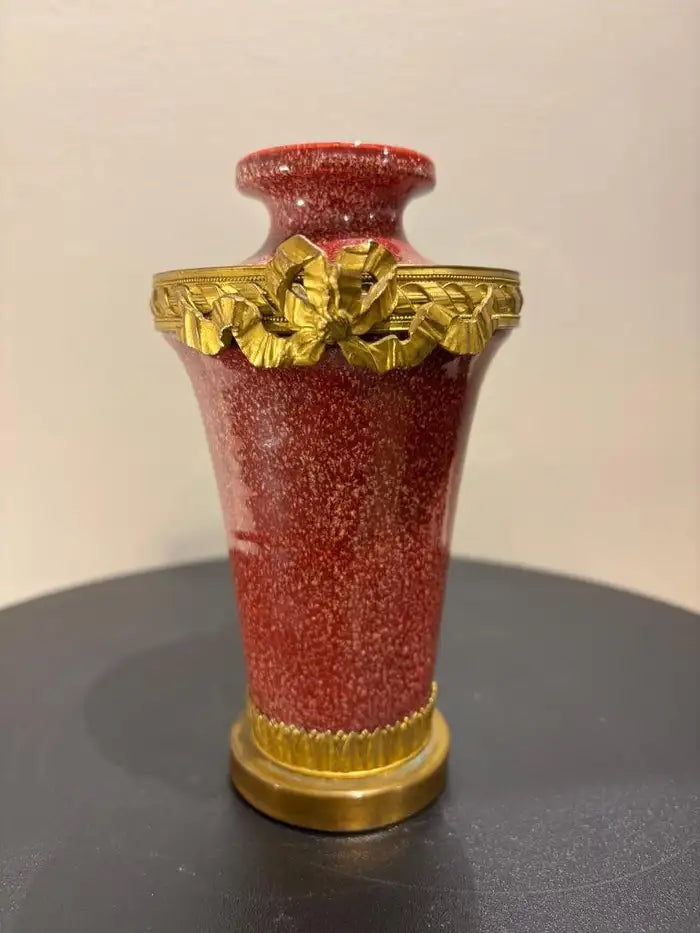
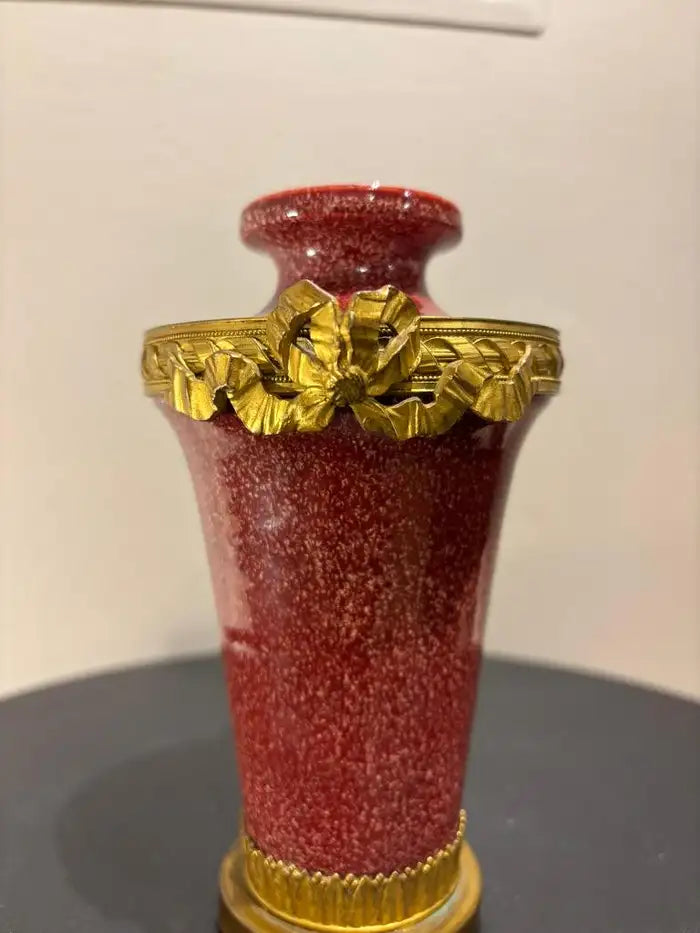
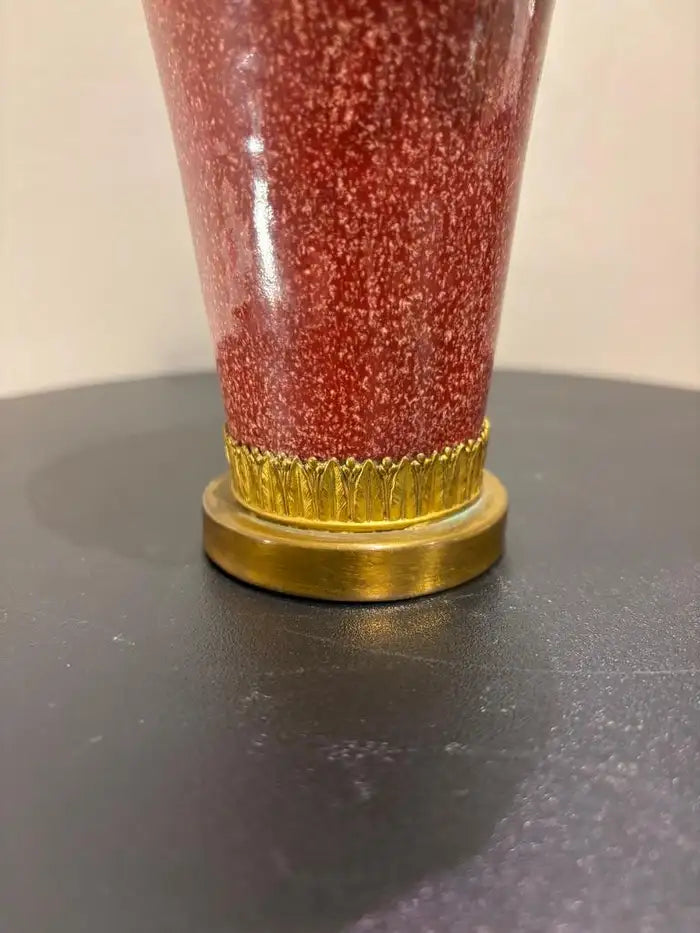
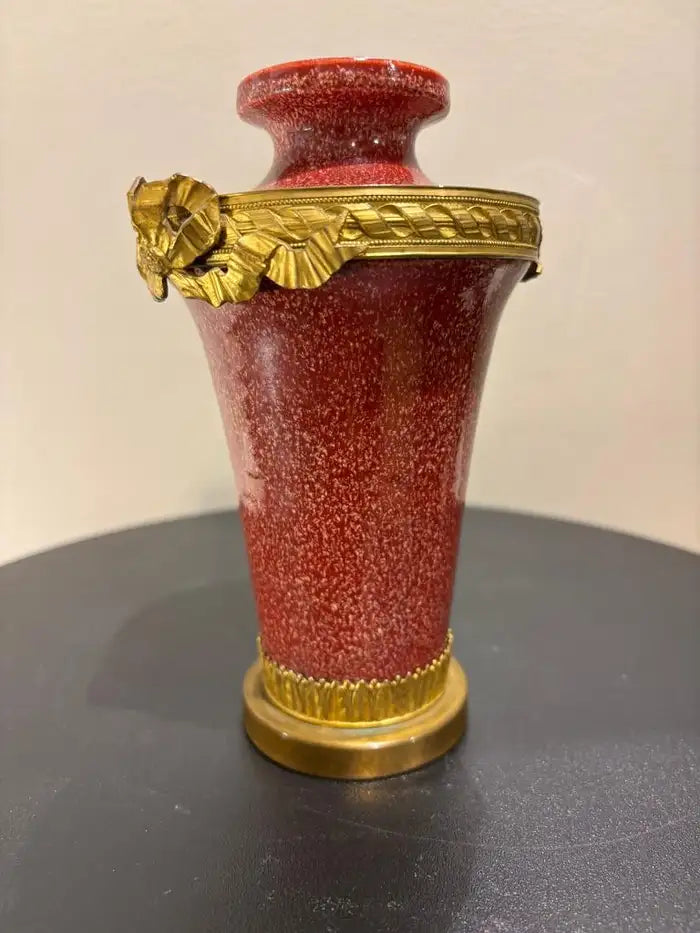
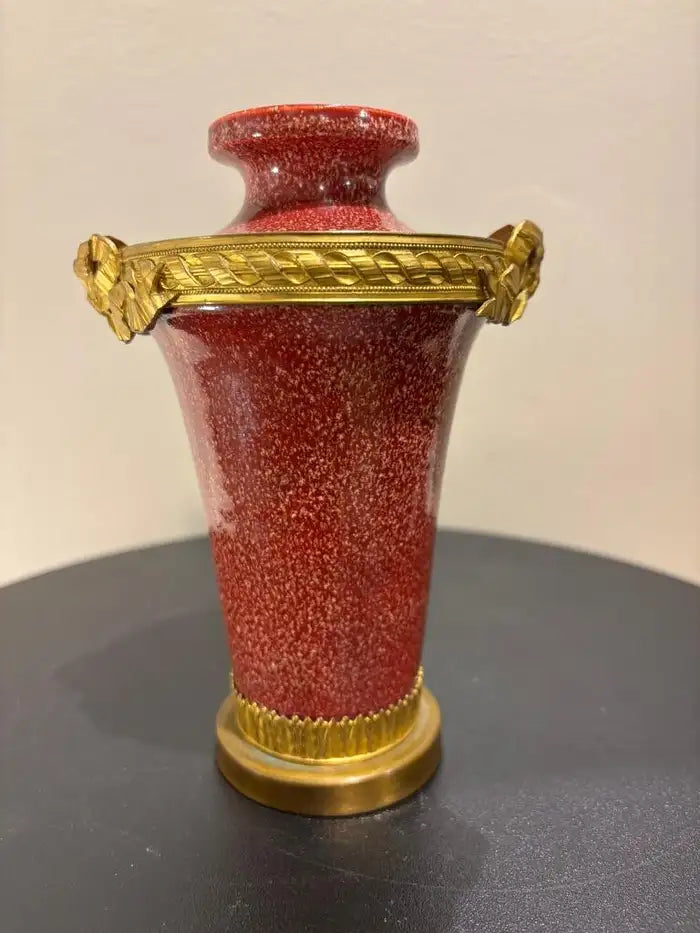
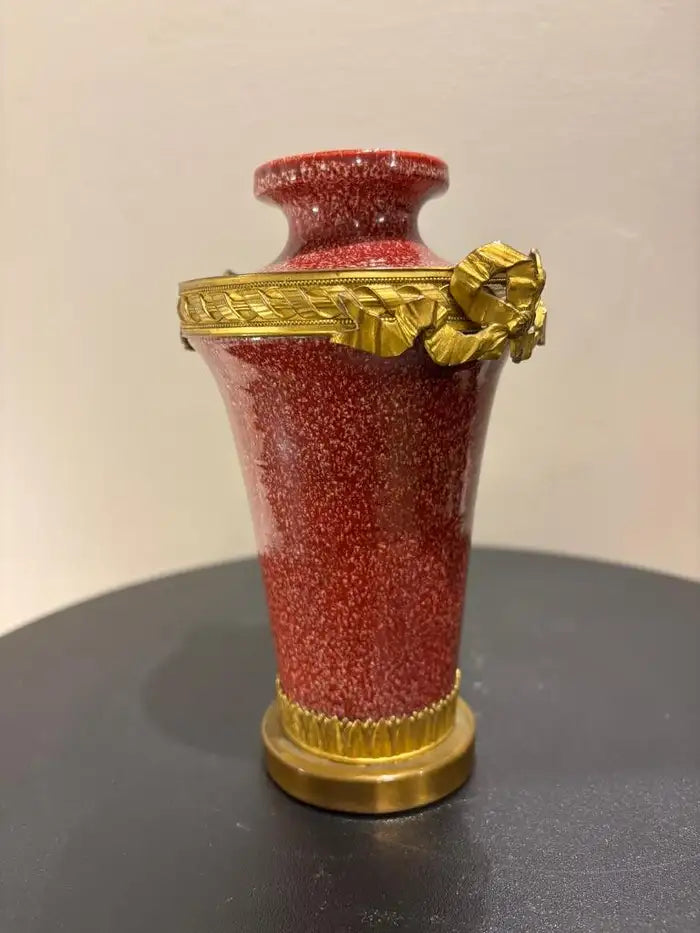
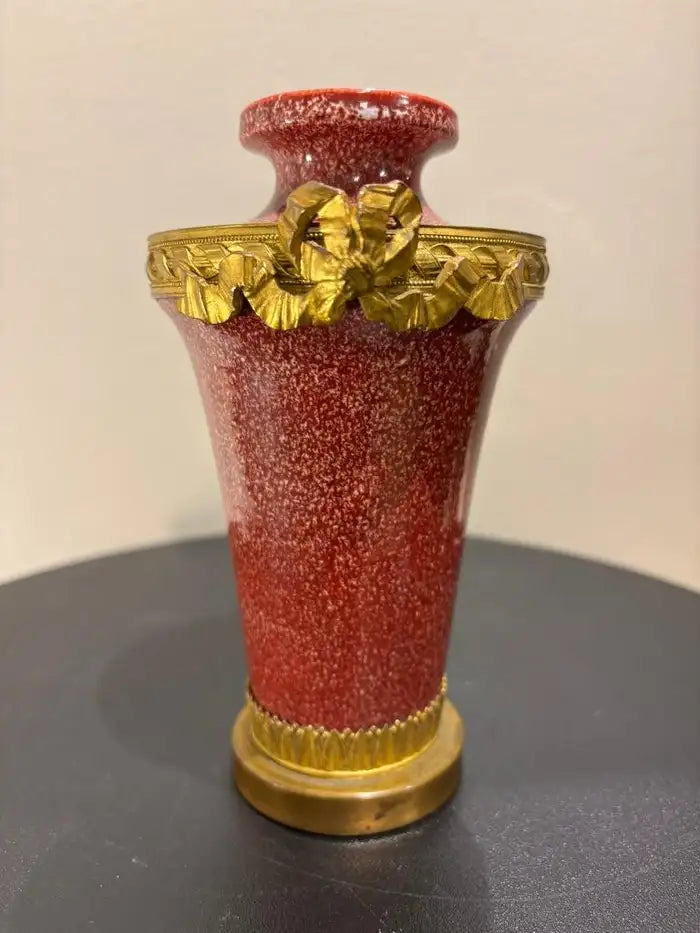
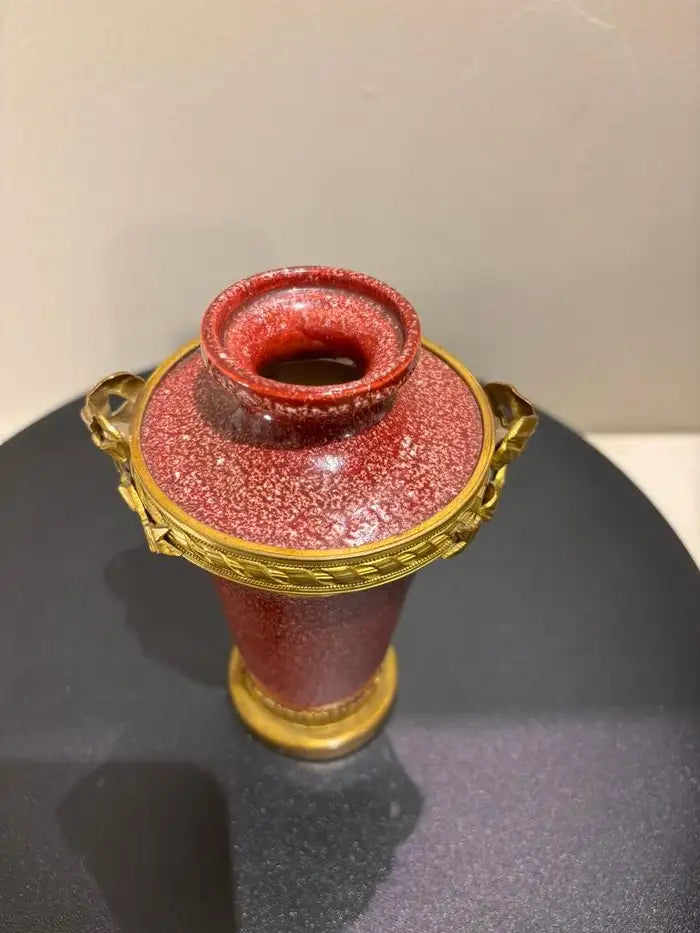
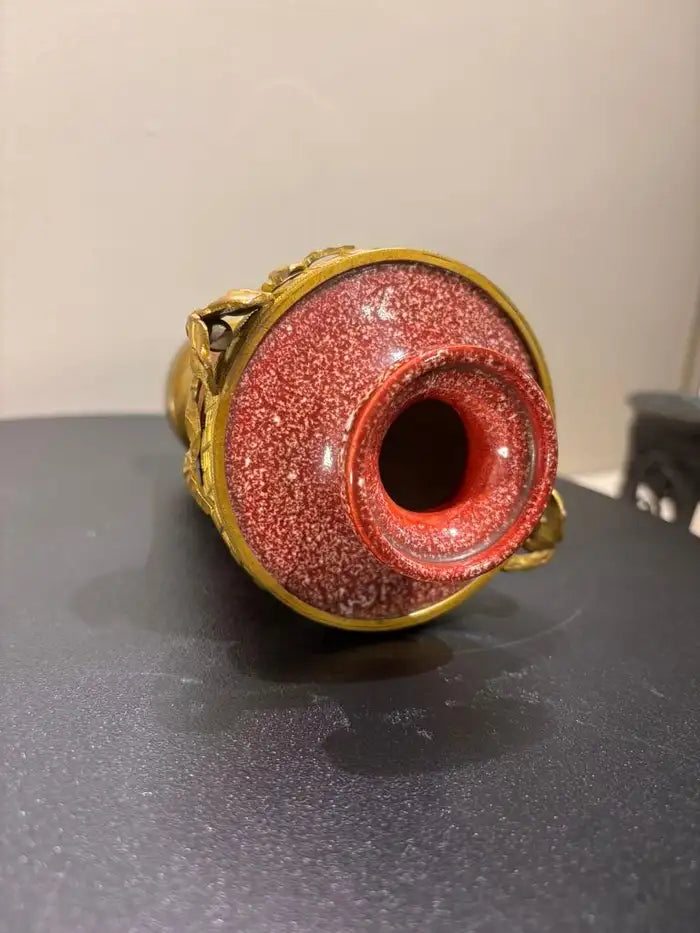
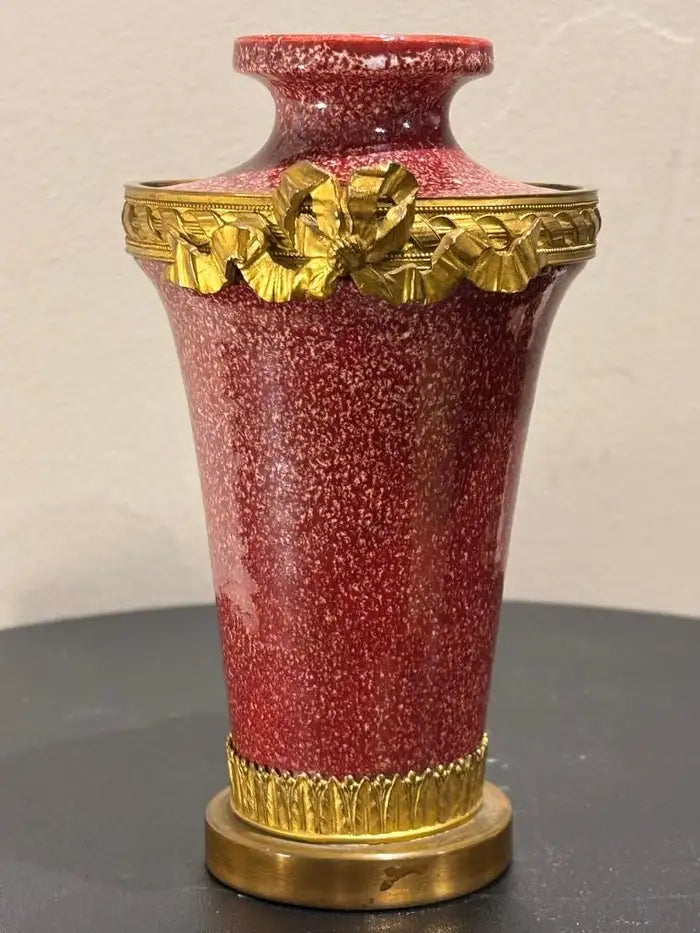
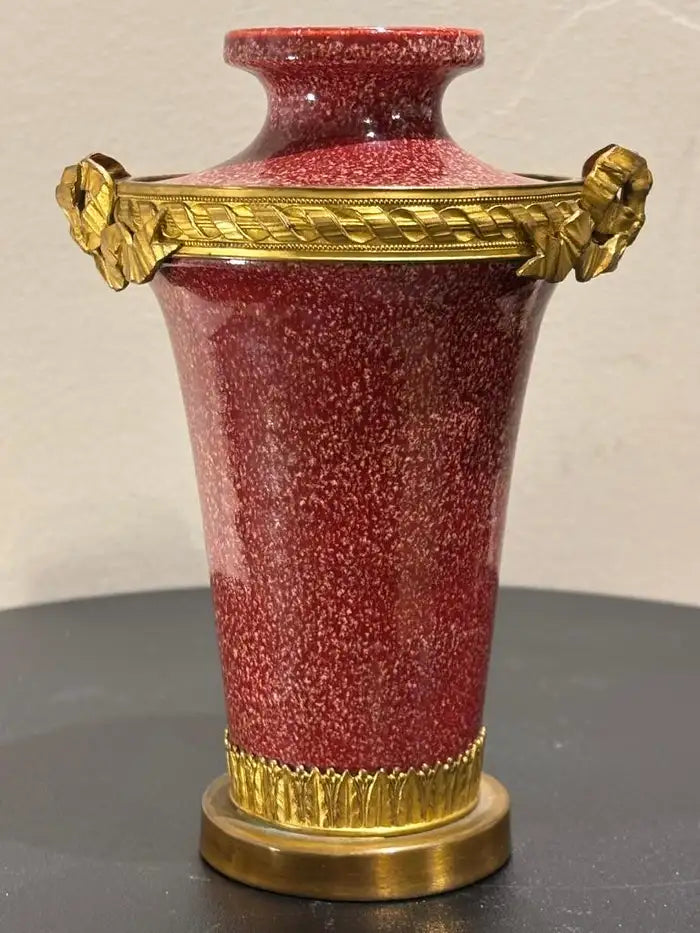
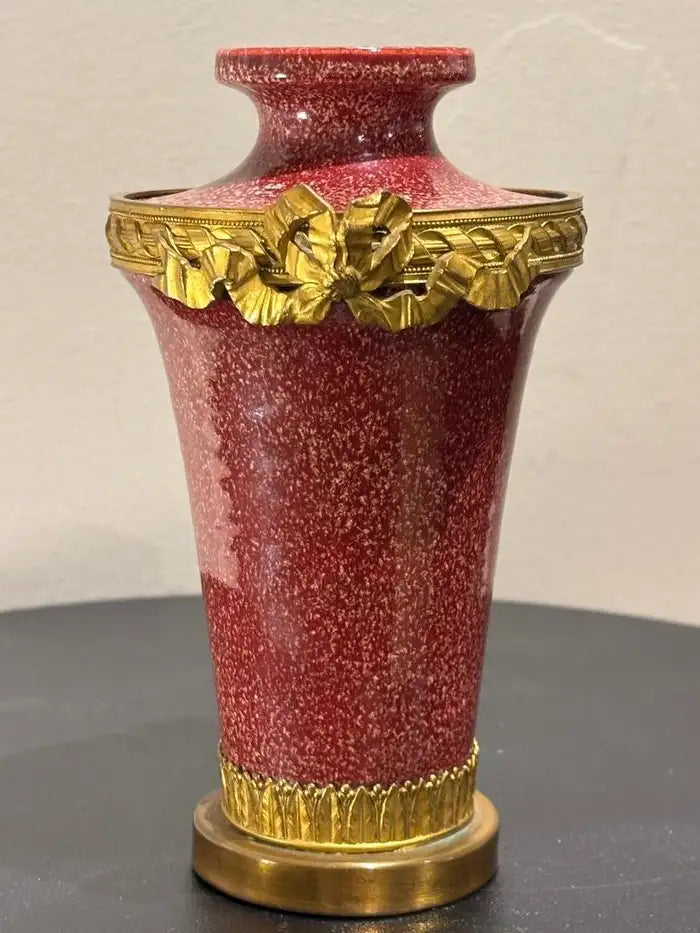
French Louis XVI Style Porcelain Vase Faux Porphyry Glaze Gilt Bronze Mounts
$1,850.00
Call For Location | 203-325-8070
John J. Gredler Works of Art
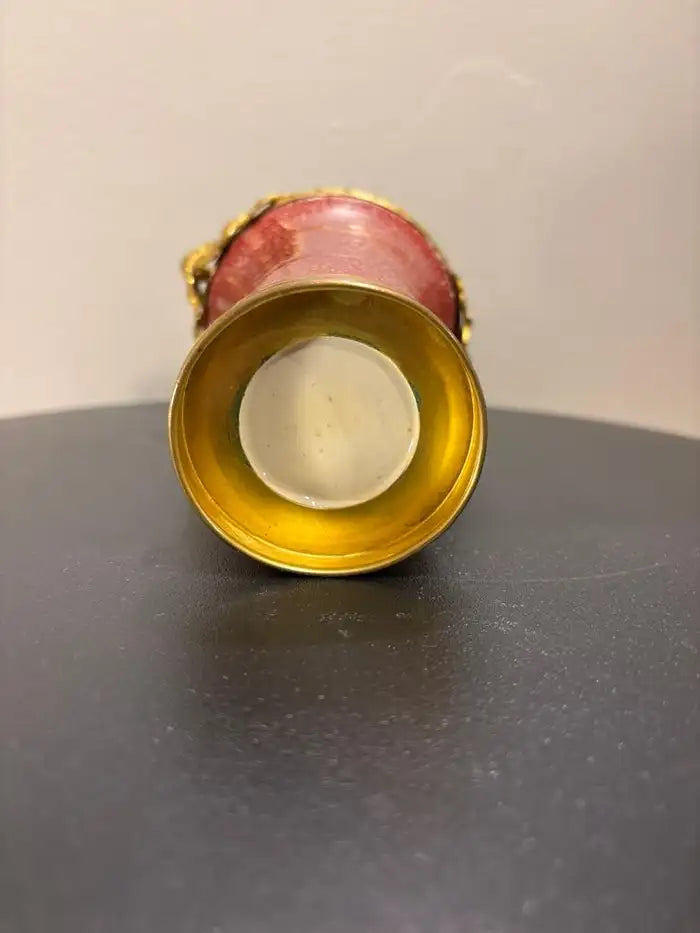
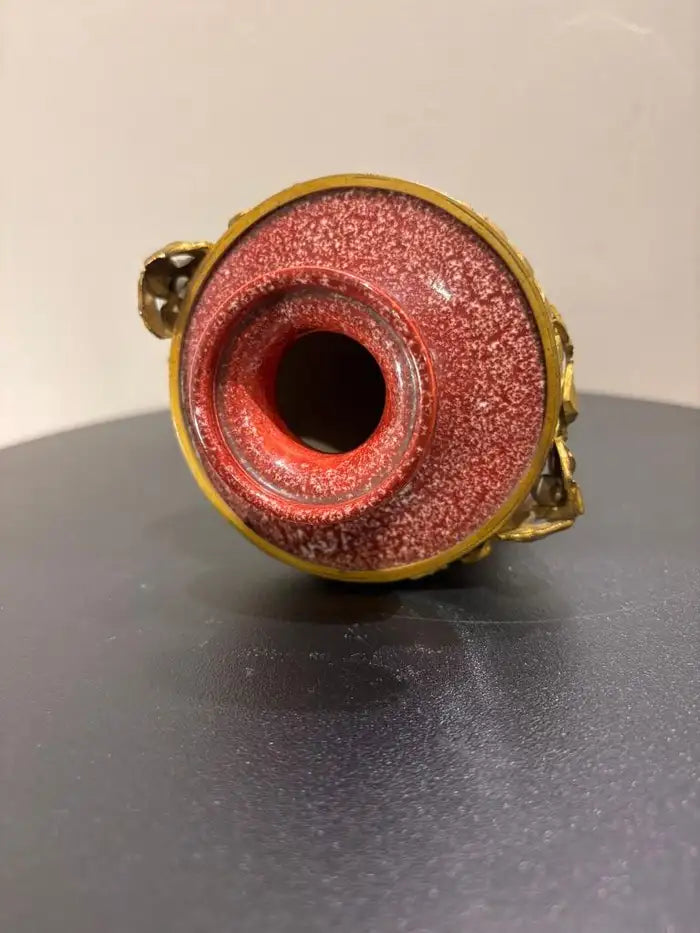
French Louis XVI Style Porcelain Vase Faux Porphyry Glaze Gilt Bronze Mounts
Porcelain vase with a glaze meant to imitate the sought after stone Egyptian porphyry, with bronze d'ore mounts. French circa 1890. Wonderful small vase with a lot of presence. The eye is naturally drawn to it's lovely color. Circa 1890.
6.3" h x 4.5" w x 3.5 d
Some interesting information on the stone it is imitating: Red porphyry was much sought after and prized by the Romans who called it "Imperial Porphyry". The red porphyry all came from the Gabal Abu Dukhan quarry (or Mons Porphyrites) in the Eastern Desert of Egypt. The road from the quarry westward to Qena (Roman Maximianopolis) on the Nile, which Ptolemy put on his second-century map, was first described by Strabo, and it is to this day known as the Via Porphyrites, the Porphyry Road, its track marked by the hydreumata, or watering wells that made it viable in this utterly dry landscape. It was used for all the red porphyry columns in Rome, the togas on busts of emperors, the panels in the revetment of the Pantheon, the Column of Constantine in Istanbul as well as the altars and vases and fountain basins reused in the Renaissance and dispersed as far as Kyiv.


